Guide No. 04 · Materials
Full Grain Leather vs Other Materials
How full-grain leather compares with top grain, genuine and bonded leather, canvas, nylon and synthetic leather for bags, belts, wallets and boots.
Full-grain leather has a reputation as the material for things that last. Mostly, that reputation is earned. But it isn’t the right answer for everything, and the labels around leather are confusing on purpose. Here’s how it compares.
What “full grain” means
A hide has layers. The outermost layer, the grain, has the tightest, strongest fibers. Below it is a looser layer called the corium.
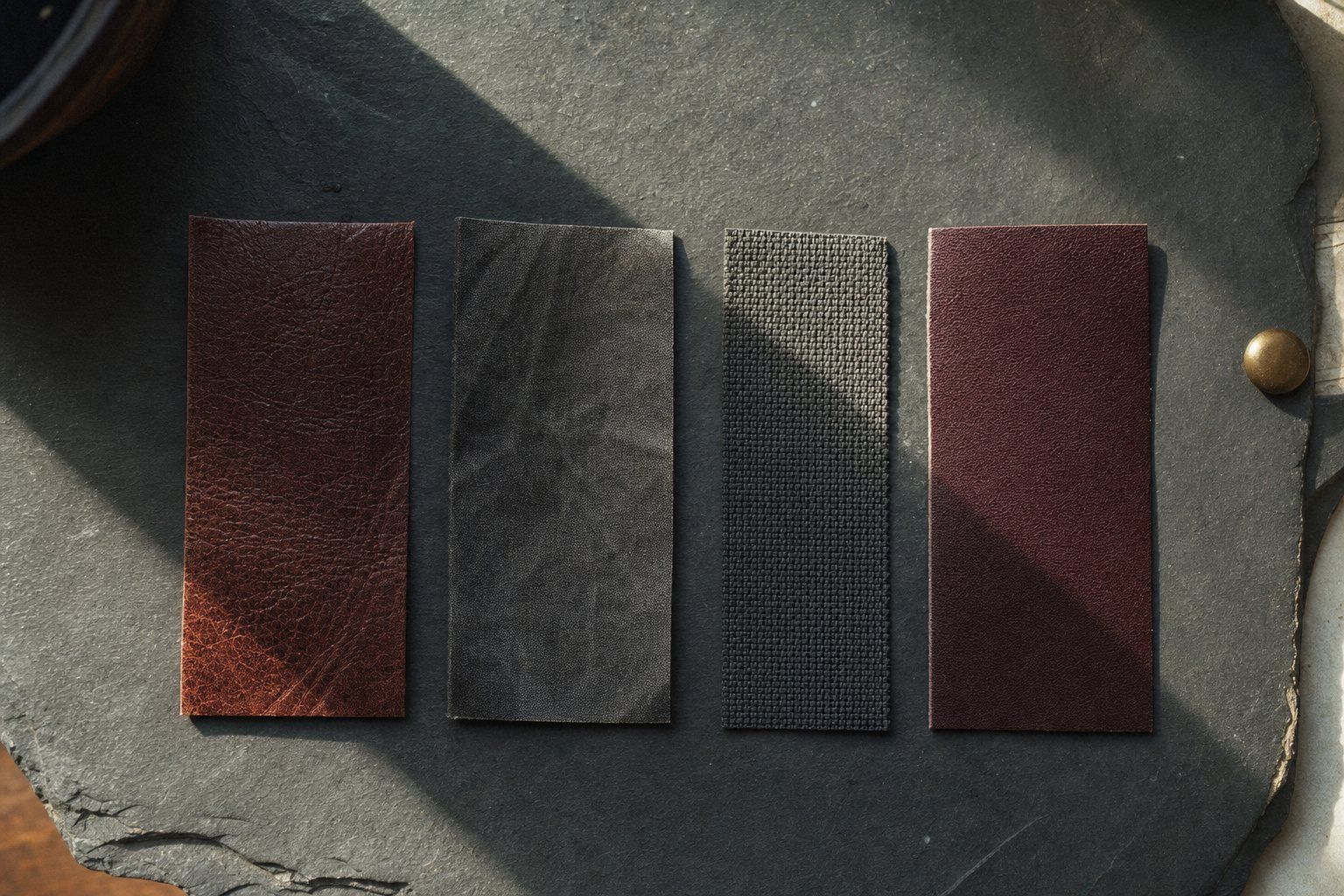
- Full grain keeps the whole grain surface. Natural marks and pores stay visible.
- Top grain has the surface lightly sanded to remove marks, then usually finished with a coating.
- Split leather is the lower layer, separated from the grain. It’s weaker and often embossed or coated to look like grain.
- “Genuine leather” is a vague label. In practice it often means split leather or a lower grade.
- Bonded leather is made from leather scraps and fibers glued to a backing, often with a polyurethane surface.
The strength and lifespan drop in roughly that order.
Full grain vs top grain
Top grain is still real hide and can be perfectly good. The differences:
- Strength: full grain keeps its strongest fibers. Top grain loses a little with the sanding.
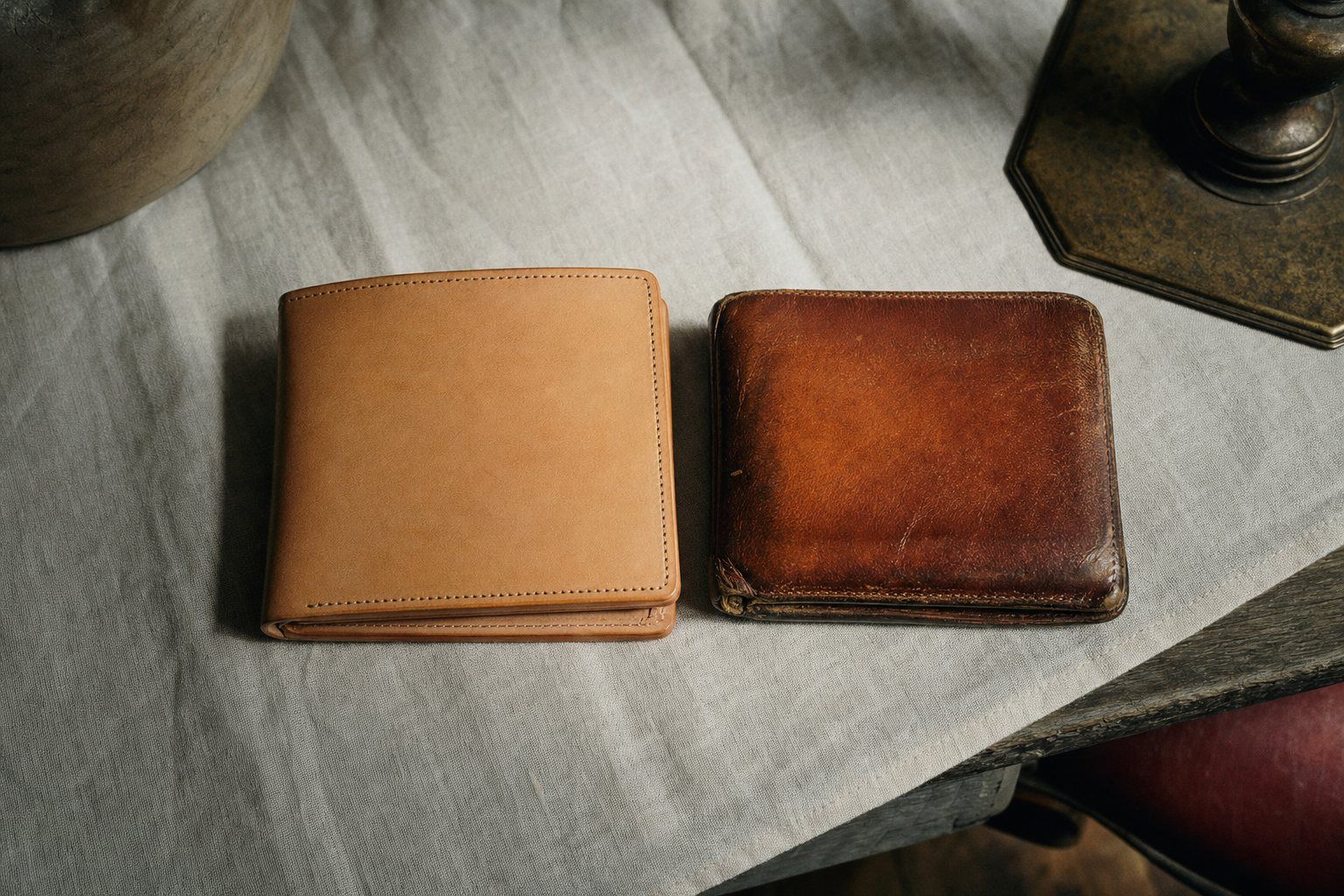
- Aging: full grain develops patina because the surface is open. Top grain’s coating limits that, and once the coating wears through it can look patchy.
- Look when new: top grain looks more even and uniform. Full grain shows the animal’s natural marks.
For a bag or belt you want to keep for decades, full grain is the better bet. For a dress item where a uniform look matters, top grain is fine.
Full grain vs genuine and bonded leather
This is where the real gap is.
- Genuine (split) leather can last a few years with light use but often cracks along creases as the coating ages.
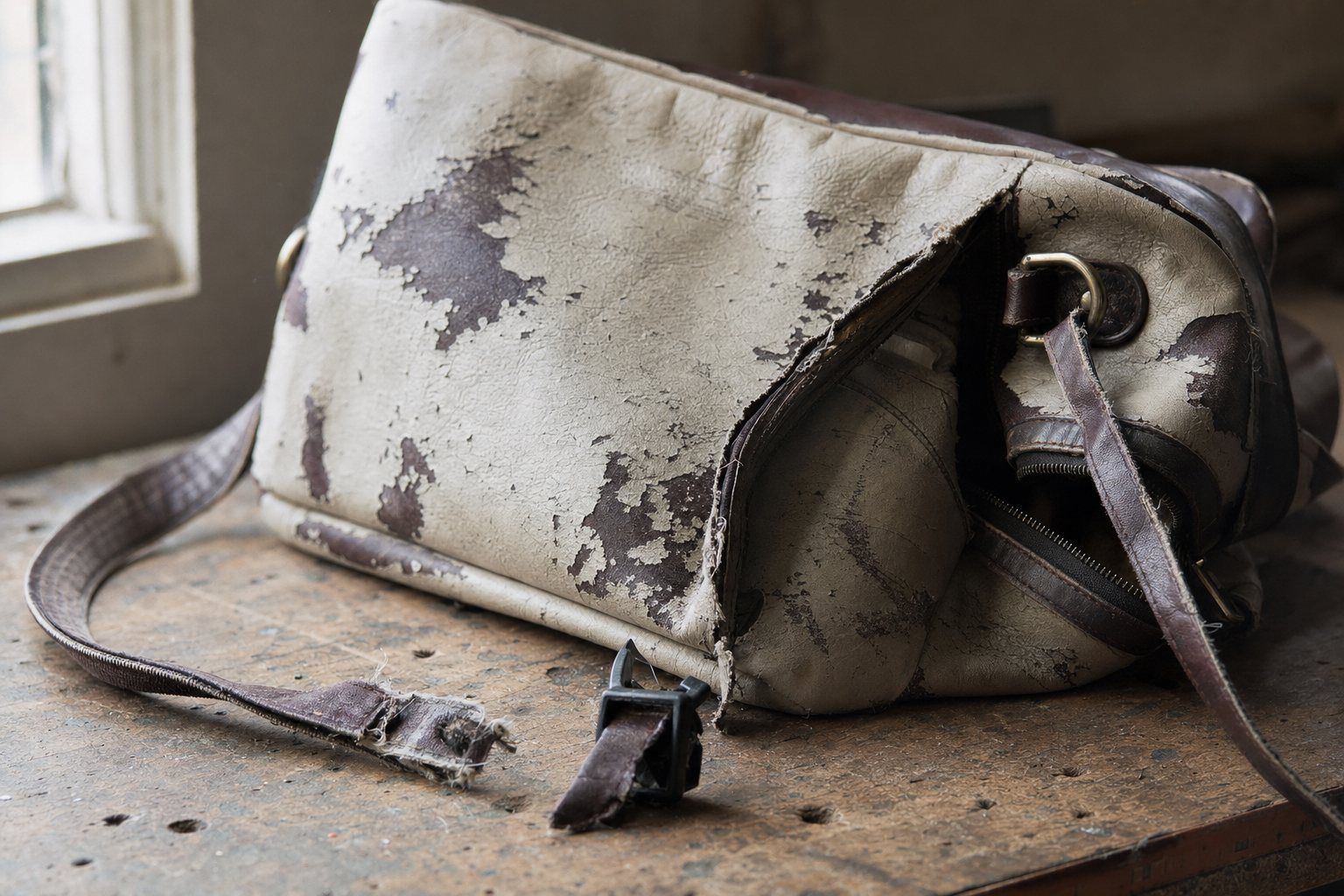
- Bonded leather is the most common thing to fail fast. The surface layer peels in sheets, often within a year or two on belts and furniture. It can’t be repaired.
If a product only says “leather” or “genuine leather” and the price is low, assume the lower grades. Brands using full grain almost always say so.
Full grain vs canvas
Heavy cotton canvas, especially waxed canvas, is a serious buy-it-for-life material in its own right.
| Full-grain leather | Heavy waxed canvas | |
|---|---|---|
| Abrasion | Very good | Very good |
| Water | Resists light rain if conditioned; dislikes soaking | Sheds rain well when waxed |
| Weight | Heavier | Lighter |
| Repair | Restitching, patching by a leather shop | Easy to patch and re-wax at home |
| Aging | Patina, softens | Creases and fades, character marks |
| Cost | Higher | Lower |
Many of the best bags combine them: canvas body with leather handles, trim and stress points.
Full grain vs nylon
High-denier nylon (like 1000D Cordura-type fabrics) is extremely tough, light and water resistant. For a hiking pack or a bag that lives in the rain, it can outlast leather.
The trade-offs: nylon doesn’t age well cosmetically, it’s hard to repair invisibly, and the polyurethane coatings on the back of many nylons can eventually break down. Leather can be conditioned and restitched for decades. Nylon generally can’t be renewed, only patched.
Full grain vs synthetic “vegan leather”
Most synthetic leathers are polyurethane (PU) or PVC over a fabric backing. They’re cheaper and need no conditioning, but they tend to crack and peel at flex points after a few years, and they can’t be repaired. Some newer plant-based materials are promising, but there’s little long-term evidence yet on how they hold up over decades.
Which to choose
- Belts, wallets, watch straps: full grain. These flex constantly and full grain handles it best.
- Everyday bags: full grain or heavy canvas with leather trim.
- Bags for wet, rough outdoor use: waxed canvas or heavy nylon.
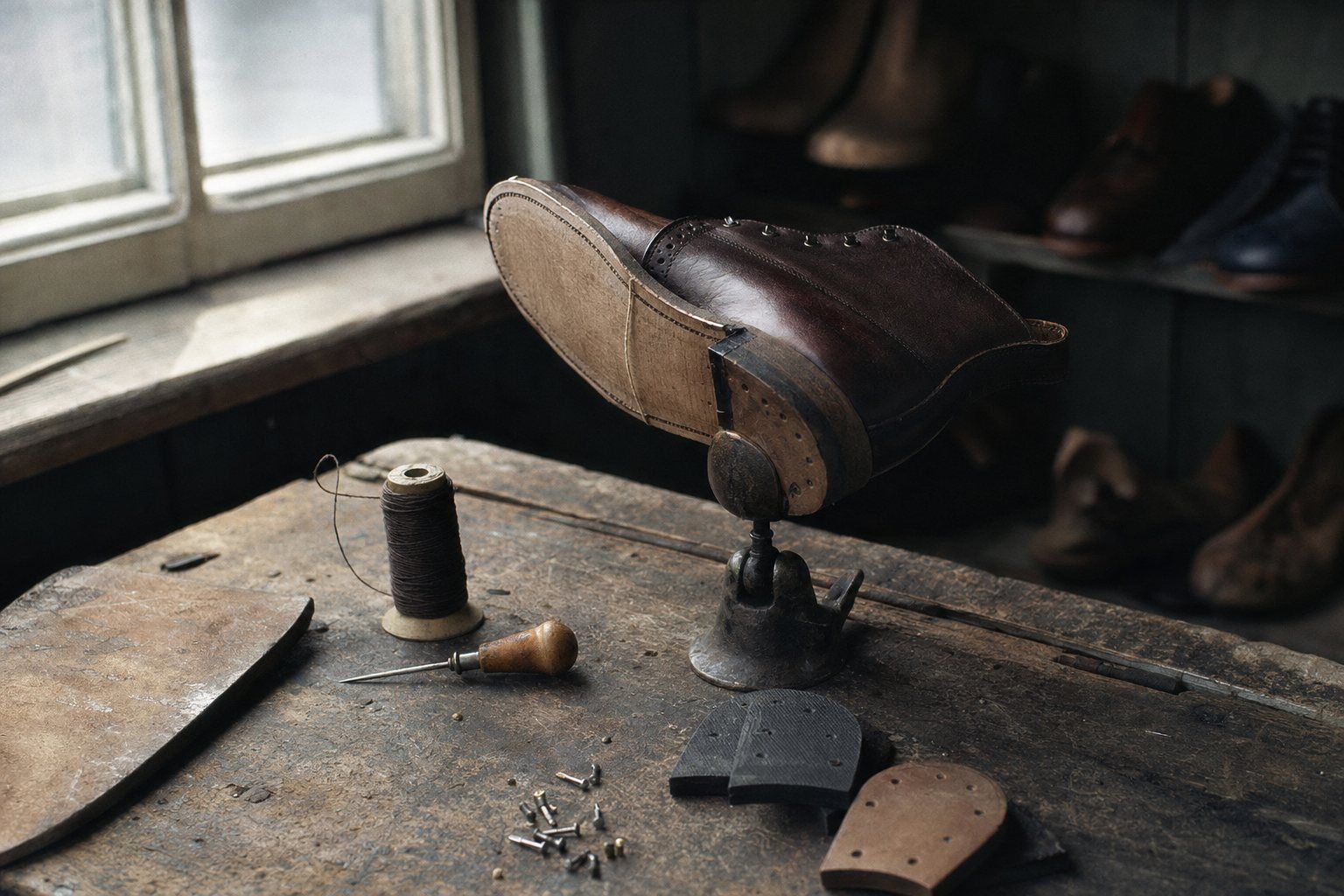
- Boots: full-grain uppers on a resoleable construction. See why repairability matters.
Whatever the material, construction decides whether it reaches its potential. Read common signs of poor construction before you buy, and see gear that gets better with age for what full grain looks like after a decade.